



By BRIAN DONOHUE

The law, signed by former Gov. Phil Murphy in January on his way out of office, requires every K-12 public school in New Jersey to bar students from using smartphones, tablets, smartwatches, and other internet-connected devices from the start of the school day until dismissal.
As reported by NJ Monitor, how the new “bell-to-bell” ban plays out looks different from district to district. In some schools, students each morning will drop their phones into magnetic pouches that don’t open again until dismissal. Other schools will require their students to turn their phones off and keep them in their lockers or backpacks for the entire school day.
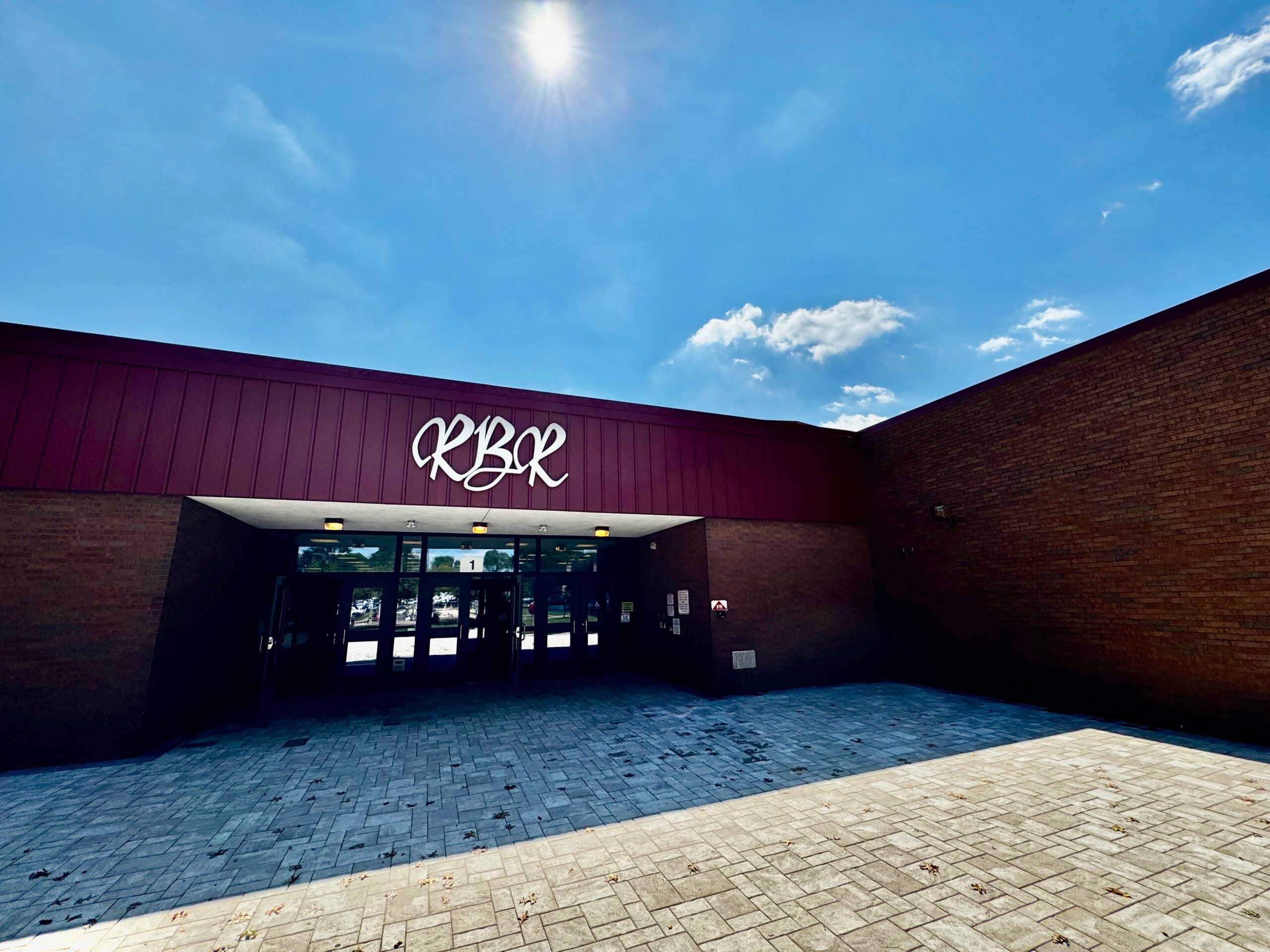
At RBR, the policy requires students to put their phones in their locker, where it must remain until dismissal.
“We decided that the lockers were the best way to do it, because that way there wasn’t the temptation, and we just think there will be less issues if they’re in the lockers,” Red Bank Regional Superintendent Louis Moore said.
Over the past several years, school policy has required students to place their phones in a holder near the classroom entrance and keep them there during class. But students had access to their phones between classes and during free periods like lunch.
In hallway interviews on the second day of the school year, students described life under the new rule as “weird,’ and a “shock”.
For anyone who has spent time in a high school hallway in recent years, the dramatic change was obvious.
Last year, Student Council President Nicolas Meza said, the scene in the hallways between classes, “would be just everyone looking down, catching up on what’s on Instagram and Tik Tok, social media platforms, texting. “
Now, he says, “I do see people in the hallways chatting more among their peers.” He added, “It’s really a lot better for our mental health.”
Still, as can be expected, most students interviewed were not crazy about it.
Senior Avery Pugnetti called the new rule “unfair” and “unnecessary.” She feels students should be allowed to use their phones during study hall and lunch time.
But the aspect she disagrees with most is RBR’s policy of not allowing students to keep their phones with them in case of an emergency.
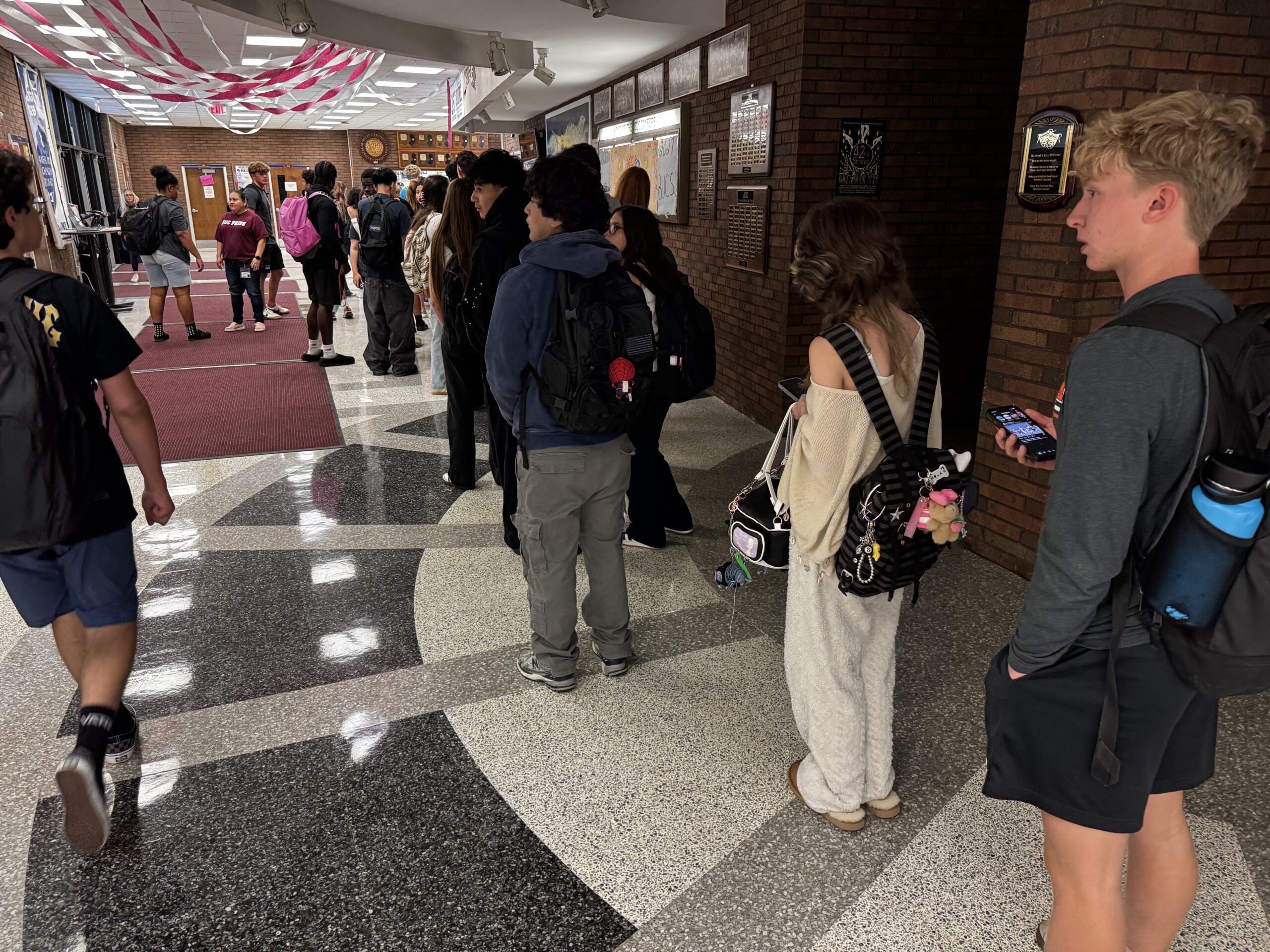
Red Bank Regional High School students in the hallway wait to pick up student parking passes following the 11:35 dismissal on Friday, September 4, the second day of the new ‘bell-to-bell’ cell phone ban in NJ schools. (Photo by Brian Donohue)
“It’s a safety thing for me,” she said. “I don’t even mind if you can’t have your phone on during class, but you can at least have it on you. There have been some scares recently, and I feel especially with all the gun violence and other things that have been happening in the country..I think putting it physically away from your body is a little much. “
Predictably, teachers and staff seemed borderline gleeful.
“It’s awesome,” Timpone said standing in the hallway just before dismissal Friday. “We had a great day yesterday. I didn’t see anyone on a cell phone the entire day. “
“What I’m really excited about seeing is lunch next week” he added, “The kids looking at each other rather than looking down at their phones.
Under the new RBR policy crafted to conform with the state law, students found violating the rule will have their phones placed in a bag and sent to the office, where they can collect it at day’s end.
After a second offense, the phone will only be returned to a parent or guardian. Additional offenses could incur further disciplinary consequences, including requiring a student to turn their phone in to the office at the beginning of the day.
Timpone conceded he’s not sure how many kids are actually using the lockers.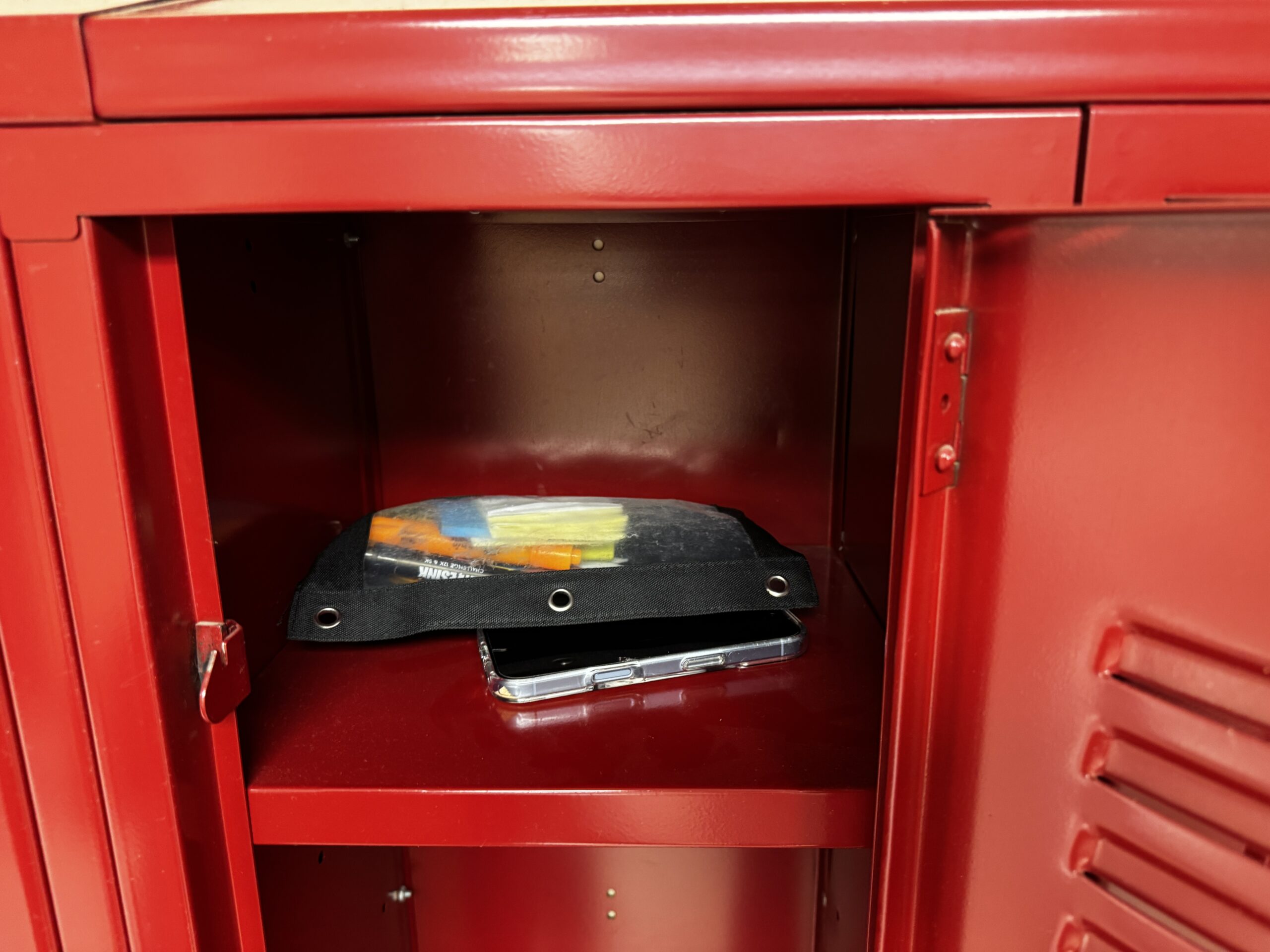
Several students confirmed to a reporter the principal’s suspicion that at least some are clandestinely keeping them turned off inside their backpacks.
“Our policy is they have to use the lockers and there are consequences if they don’t,” Timpone said.
That raises the issue of another other cultural shift proving to be a small hurdle for the locker policy: sometime in the last decade, students mostly stopped using lockers.
Moore said he noticed the shift after the school began issuing laptops, which, in many classes, replaced the physical books that made using a locker a necessity for generations of students.
“Even many of our upperclassmen have never used them,” Timpone said.
That required school administration to show a video on the first day of school and post a graphic to social media, explaining how to use the built-in combination locks.
Moore joked about the possibility of turning to another throwback to the era when kids walked the school hallways looking at each other and not staring at their phones – and those lockers served another function, as spots for socialization.
“If we want to get the kids to embrace the lockers, maybe we should show movies about high school from the 80’s and 90’s,” he said. “All the scenes were at the lockers.”
redbankgreen editor Brian Donohue may be reached via email at [email protected] or by calling or texting 848-331-8331.