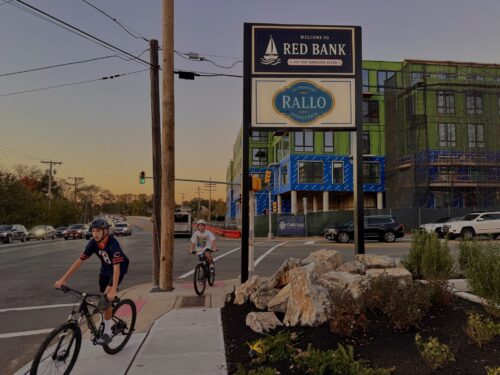




 The Atlantic Club, whose owners plan to relocate to the former Foodtown Property to the south. (Photo by Brian Donohue. Click to enlarge.)
It’s a pattern that’s been repeated again and again in Red Bank: a property owner lets buildings decay, then asks the borough for approvals to redevelop the property, arguing the new project is needed to fix the blight they created with their own neglect.
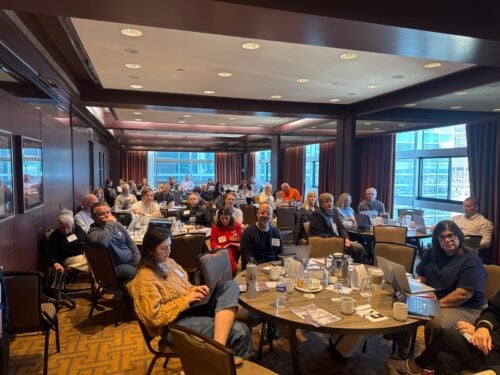
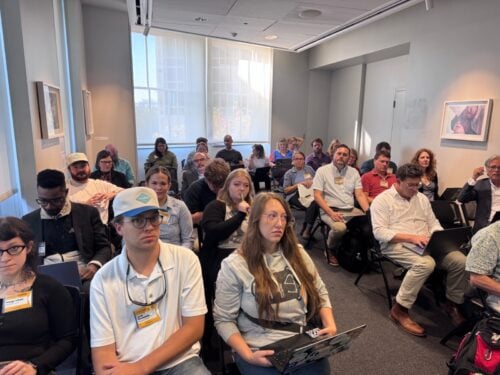
But on Wednesday — even as they teed off on a prominent property owner for repeating the pattern — members of the Red Bank Planning Board confronted a new wrinkle: a property owner trying to get a well-maintained, swanky, still operating health club included in a tract found to be in need of rehabilitation.
And they weren’t buying it.
The board removed 325 Maple Avenue, home to the Genesis Health Club Atlantic Club, from a 5.5-acre tract found by the board’s planner to have met the criteria for an “area in need of rehabilitation” under state land use laws.
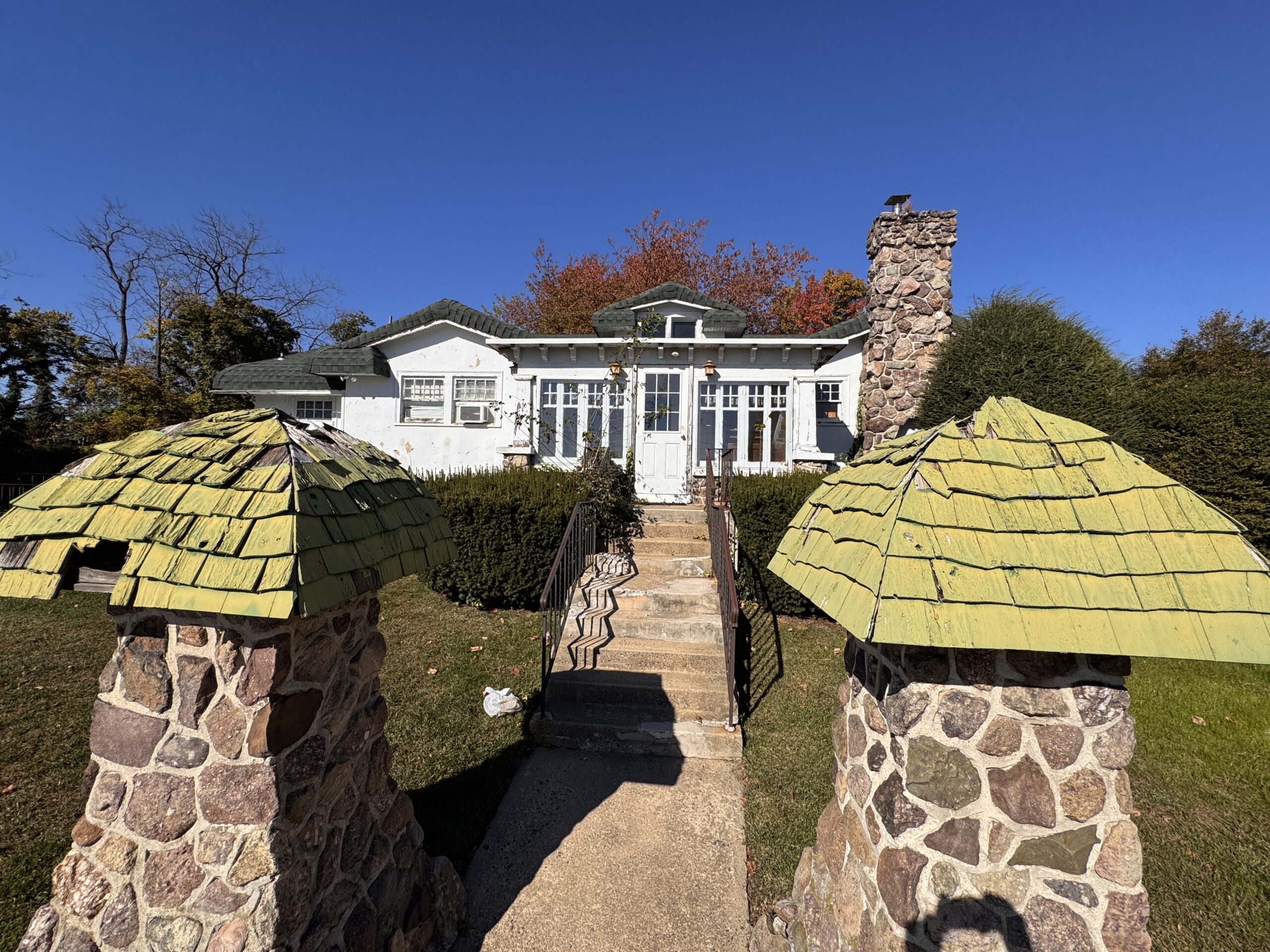
The board did approve the designation for the remainder of the site between Broad Street and Maple Avenue, including, the ‘mushroom house’, a former Carpenters Union, several single-family homes along Wikoff Place, and a mix of businesses and apartments.
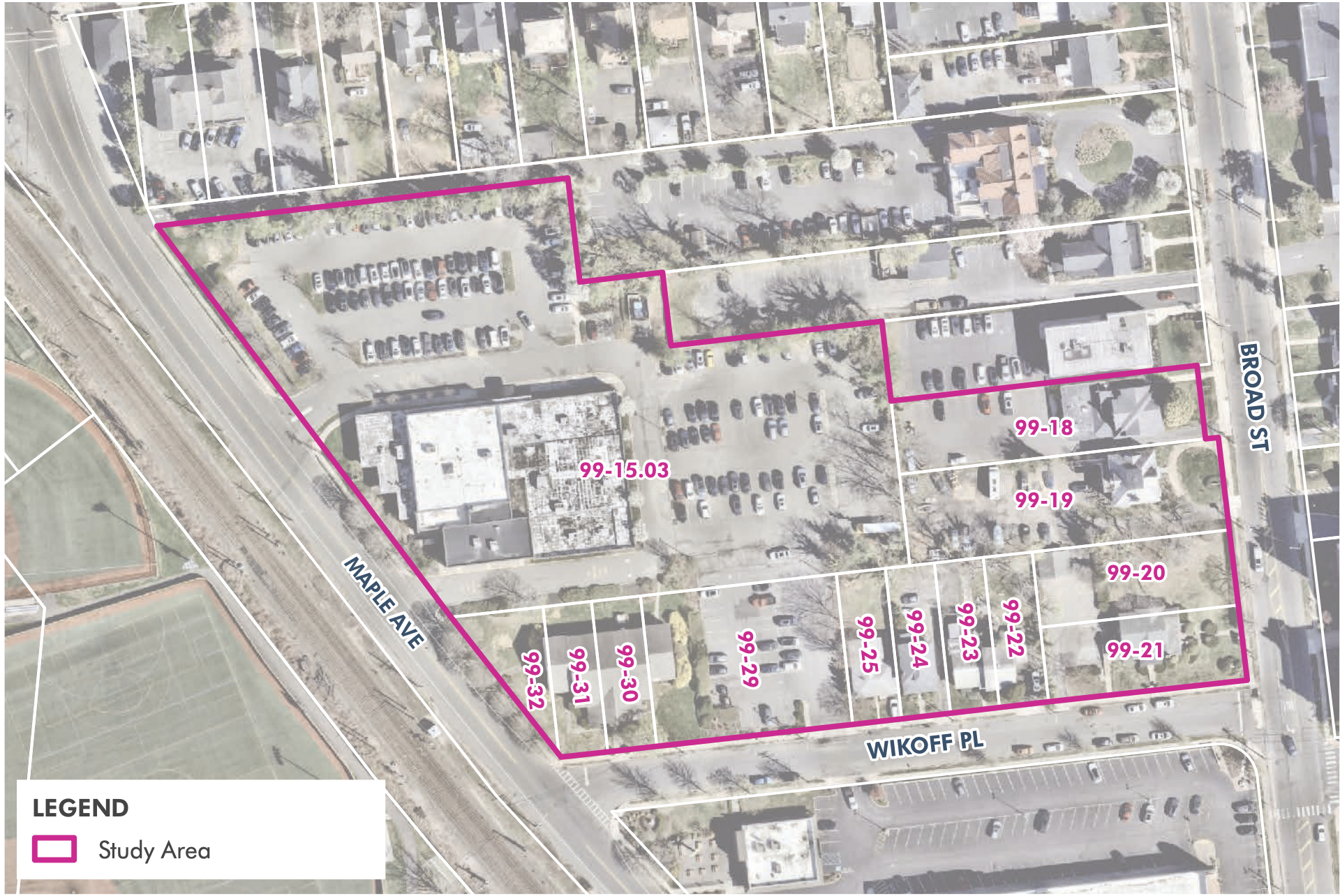 A map of the proposed “Carpenters Village” tract from the redevelopment study presented to the Red Bank Planning Board.
The only “no” vote came from Board Member Barbara Boas, who argued the board should have gone farther and refused to declare the entire tract, not just the Atlantic Club, in need of rehabilitation.
“I really have a problem with it,” Boas said. “We have an ordinance against eminent domain. I feel like this is a back door sneaking into an eminent domain situation and it bothers the bejeezus out of me obviously.”
The vote came after members of the Red Bank Planning Board took turns calling out the owners of the dozen or so properties that sit adjacent to the Atlantic Club on the tract bordered by Broad Street, Maple Avenue and Wikoff Place, for allowing conditions to deteriorate in the first place.
 The bulk of the properties are owned by companies associated with the Azzolina family, longtime owners and operators of the shuttered adjacent Super Foodtown property. That building was recently purchased by Genesis Health Club RB LLC, which plans to move the Atlantic Club there.
Developer Roger Mumford, who is under contract to buy the current club site and other properties, is hoping to redevelop the land into a townhome development currently referred to in borough documents as “Carpenters Village.”
Board Member Megan Massey led a round of sharp questioning of the entire process by several board members:
“I feel like this sets a really bad precedent,”‘ Massey said, “Where there’s one family that owns a majority of the parcels, they let their buildings and homes be delinquent..and then we can reward them by making a smoother process for a developer to create a rehabilitation zone, and so then the developer can possibly get tax abatement for the next 5 years. Like, there has to be a better process.”
Board President Member Dan Mancuso added: ” The process sucks. It just does. And I would encourage code enforcement to pay more attention to properties that are being left to deteriorate so that people can do exactly what this owner is doing, which has happened before in town.”
“And you’re right, we’re rewarding these people,’ Mancuso added. “Whether they did this or not, because this developer is buying this property from someone who has let it completely fall into disrepair, except for the Atlantic Club, which is still a functioning building. But I walk by there quite a bit. And the rest of it is crap and has been left to completely deteriorate for years. And, you know, I consider it unacceptable.”
Board attorney Marc Leckstein corralled the conversation, repeatedly reminding the board that the only matter on which they could vote was whether the tract met the legal criteria for an area in need of rehabilitation – not how it got that way.
“We shouldn’t be talking about precedent,” he said. “It’s simply about whether those properties meet the designation or not.”
That process began last month, when the Borough Council passed a resolution declaring the area in need of rehabilitation, a move that assigned the Planning Board the task of studying the properties to determine whether they fit the legal criteria. A formal designation would require another vote by the council.
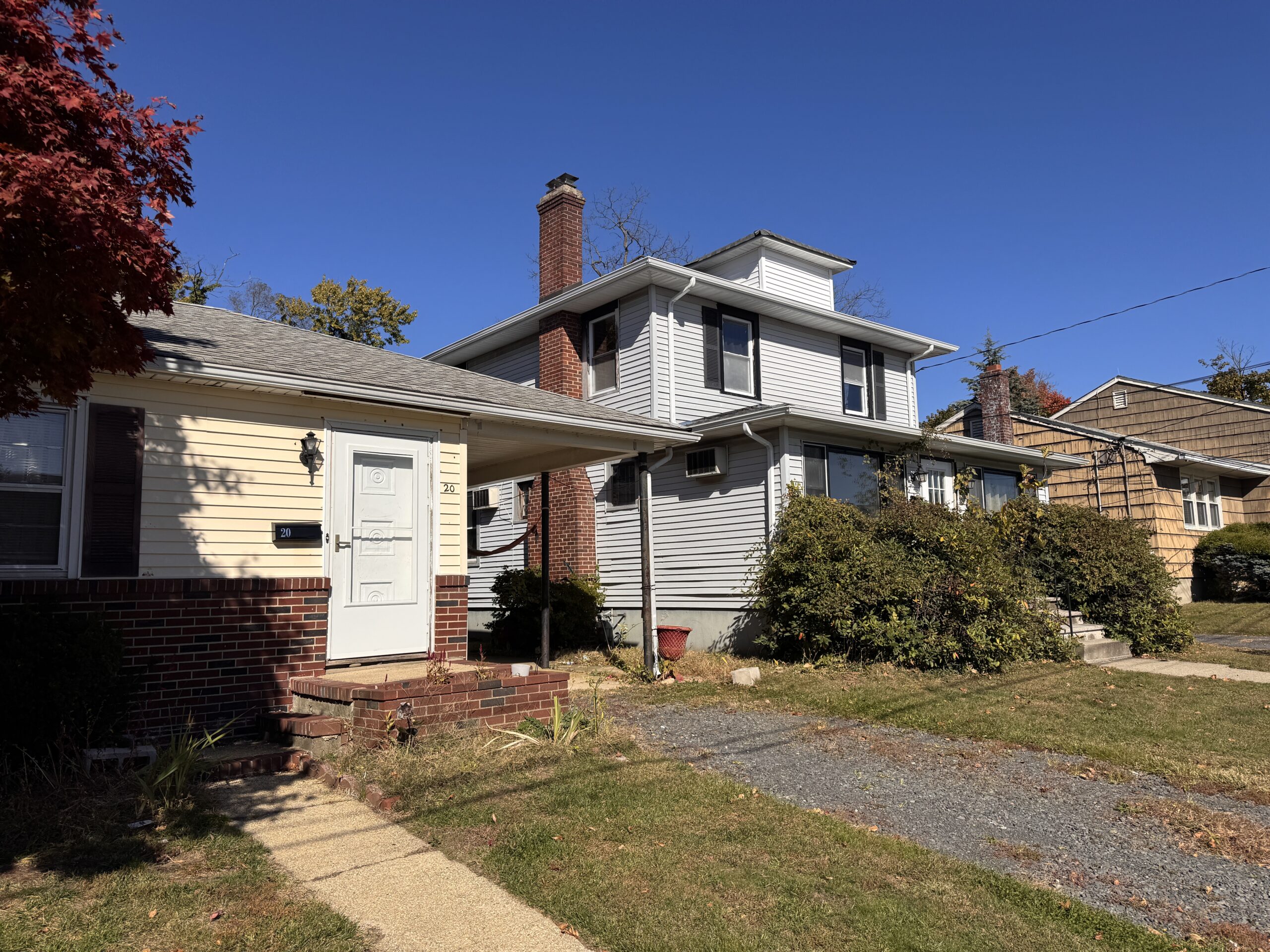
Homes along Wikoff Place in the proposed rehab zone.
Susan Favate, principal with borough planner BFJ Planning, presented the findings of her study of conditions of the properties.
Favate’s study concluded the area meets four out of the seven criteria for designation as an area in need of rehabilitation. The study cited the discontinuance of intended use (such as the Carpenter’s Union hall); the deterioration of building conditions and the fact that most of the buildings are more than 50 years old.
While the Atlantic Club itself did not meet the criteria, Favata said the law allows an entire area to be designated even if only a “substantial portion” of it does.
Board member Lou Dimento questioned why the Atlantic Club would be included in the area at all. “How are the boundaries determined in the first place?”
“The council sends it down to you,’ Leckstein answered. “The council says, ‘these are the properties we want you to study.”
DiMento replied: “Why would the council go along with including the Atlantic Club?”
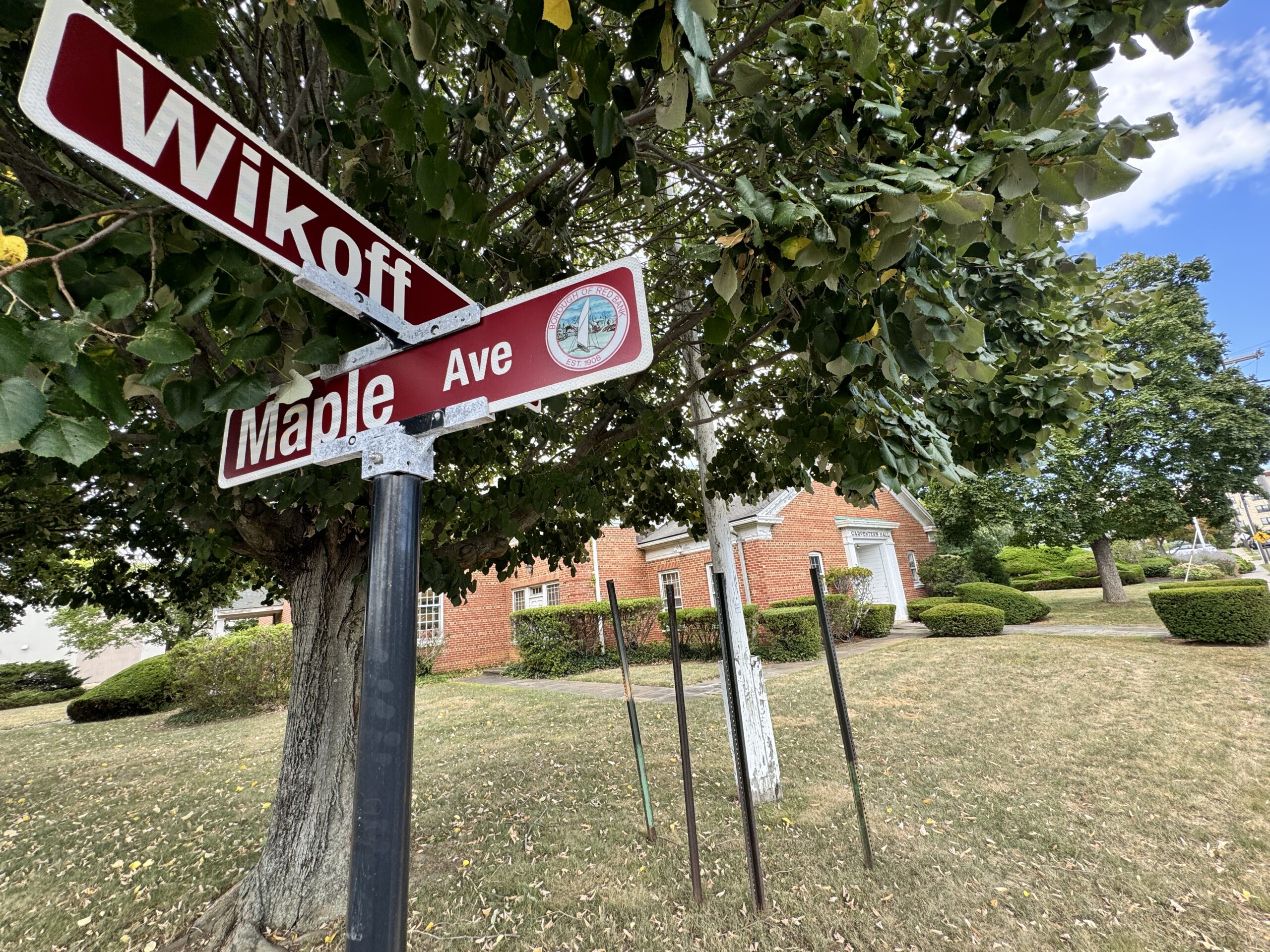 The former Carpenters Union hall was deemed to be badly deteriorated by a Red Bank Planning Board study.
Sean Braitling, who identified himself as a representative of builder Roger Mumford made a last ditch appeal to have the Atlantic Club included in the designation, telling the board the Atlantic Club building will soon be vacant once the club moves to the former Foodtown building.
“So the idea that the building is not going to be vacant – they’re already working on plans,” he said.
Mancuso replied: “So please tell Roger to take care of any roof leaks while it’s vacant. So it doesn’t fall into disrepair, because that would be bad, right?”
Do you value the news coverage provided by redbankgreen? Please consider becoming a financial supporter if you haven’t already. Click here to become a Guardian of the Green by setting your monthly or one-time contribution.
Editor Brian Donohue may be reached via email at [email protected] or by calling or texting 848-331-8331.redbankgreen editor Brian Donohue may be reached via email at [email protected] or by calling or texting 848-331-8331.